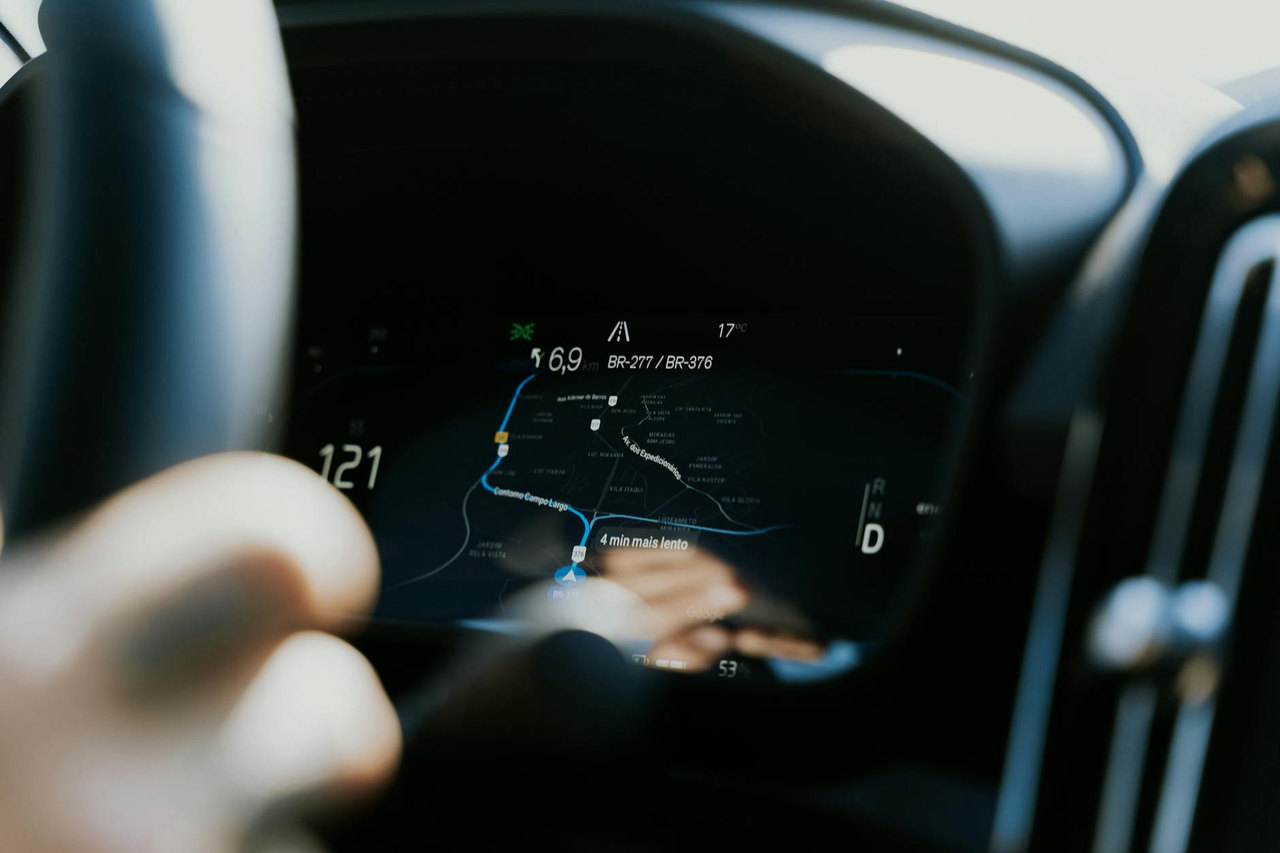
Your car knows more about you than you might think. From your GPS destinations and driving habits to your personal contacts and entertainment preferences, modern vehicles collect vast amounts of data—and most drivers have no idea who has access to it or how it’s being used. While we’ve previously covered How to Disable Car Tracking and Protect Your Vehicle Privacy, understanding your legal rights is equally important. The question is: what protections do you actually have under the law?
Federal Regulations for Automotive Data Privacy
Unlike Europe’s comprehensive General Data Protection Regulation (GDPR), the United States lacks a single federal law specifically governing automotive privacy. Instead, car privacy laws operate through a patchwork of regulations that apply to different aspects of vehicle data.
The Federal Trade Commission (FTC) serves as the primary federal watchdog for automotive privacy under Section 5 of the FTC Act, which prohibits deceptive practices. If an automaker promises certain privacy protections in their policy but fails to honor them, the FTC can take enforcement action. However, this reactive approach means consumers often discover violations only after data has already been misused.
The Driver’s Privacy Protection Act (DPPA) of 1994 provides limited federal protection by restricting how state departments of motor vehicles can share personal information from driver’s licenses and vehicle registrations. While useful, the DPPA doesn’t address the sophisticated telematics data that modern vehicles generate during everyday driving.
Vehicle manufacturers are technically covered under general data privacy principles, but the automotive industry has largely operated through self-regulation. Industry groups have developed voluntary privacy principles, yet these lack enforcement mechanisms and binding legal requirements. This regulatory gap means your vehicle data rights depend heavily on where you live and which state laws apply.
State-Level Privacy Laws and Consumer Protections
Several states have stepped forward to establish automotive privacy regulations that exceed federal protections. Understanding these state-level car data protection laws is essential for knowing what rights you can exercise.
California’s Comprehensive Approach
California leads the nation with the strongest vehicle data rights. The California Consumer Privacy Act (CCPA) and its successor, the California Privacy Rights Act (CPRA), grant residents extensive control over their automotive data. These laws classify vehicle information as personal data, giving California drivers the right to know what data is collected, request deletion, opt out of data sales, and correct inaccurate information.
Additionally, California’s “privacy by design” requirements mandate that automakers implement data protection measures from the ground up, not as afterthoughts. Violations can result in substantial penalties, creating real incentives for compliance.
Other State Leaders in Automotive Privacy
Virginia’s Consumer Data Protection Act (VCDPA) extends similar protections to Virginia residents, including specific provisions for vehicle data. Colorado’s Privacy Act (CPA) and Connecticut’s data privacy law also recognize vehicle information as protected personal data, granting consumers rights to access, delete, and opt out of data processing activities.
Nevada has taken a more targeted approach with legislation specifically requiring vehicle manufacturers to obtain consumer consent before selling personal data collected from connected vehicles. This opt-in requirement represents a higher standard than many other states.
In contrast, states without comprehensive privacy legislation offer significantly fewer protections. Residents in these jurisdictions must rely primarily on federal law and manufacturer privacy policies—which often favor corporate interests over consumer rights.
Insurance and Telematics Tracking
Many states have enacted specific regulations governing how insurance companies can use vehicle telematics data for usage-based insurance programs. These automotive privacy regulations typically require explicit consent before monitoring begins and mandate clear disclosure of how data affects premium calculations. However, enforcement varies widely, and some drivers report feeling pressured to enroll in tracking programs despite technical opt-out rights.
Your Right to Access and Delete Vehicle Data
If you live in a state with comprehensive car privacy laws, you possess several powerful rights over your vehicle data—but only if you know how to exercise them.
Right to Know
Under state privacy laws like the CCPA, you can request that automakers disclose what categories of data they collect, the specific pieces of information they have about you, and with whom they share this data. This includes GPS location history, driving behavior patterns, voice recordings, biometric information, and entertainment system usage.
Manufacturers must typically respond to these requests within 45 days, though extensions are sometimes permitted. The information must be provided in a portable, easily readable format.
Right to Delete
Your right to delete vehicle data allows you to request that manufacturers erase personal information they’ve collected. This can include navigation history, saved locations, connected phone data, and driving behavior records.
Important limitations apply, however. Companies may retain data necessary for completing transactions, detecting security incidents, complying with legal obligations, or exercising free speech rights. The data stored in your vehicle’s onboard systems versus cloud-based servers may also be subject to different deletion processes.
Right to Opt Out
Vehicle data rights in privacy-forward states include the ability to opt out of data sales and certain types of data sharing. This doesn’t necessarily stop all data collection—manufacturers may still gather information for vehicle operation and safety—but it prevents them from monetizing your personal information by selling it to data brokers, advertisers, or other third parties.
Some connected vehicle features may become unavailable when you exercise opt-out rights, creating a difficult choice between privacy and functionality.
How to File Complaints and Enforce Your Rights
Understanding your rights means little without knowing how to enforce them when manufacturers fail to comply with car data protection laws.
Submitting Requests Directly to Manufacturers
Begin by submitting formal data requests through your vehicle manufacturer’s designated privacy portal or contact method, typically outlined in their privacy policy. Document everything: save copies of your requests, note submission dates, and keep all correspondence. If the company fails to respond within the legally required timeframe or denies your request without valid justification, you have grounds for escalation.
Filing State Complaints
When manufacturers don’t honor your rights, file complaints with your state attorney general’s consumer protection division. States with comprehensive privacy laws often have dedicated enforcement mechanisms. California’s Privacy Protection Agency, for instance, investigates violations and can impose significant penalties.
Provide detailed documentation: copies of your data requests, the company’s responses (or lack thereof), and any evidence of privacy policy violations. The more specific your complaint, the more likely authorities will investigate.
Federal Trade Commission Complaints
The FTC’s complaint portal accepts reports about deceptive privacy practices. While individual complaints may not trigger immediate action, patterns of reports about specific manufacturers can prompt investigations. Your complaint contributes to a larger database that influences enforcement priorities.
Legal Action
Some state privacy laws provide a private right of action, allowing consumers to sue companies directly for violations, particularly in cases of data breaches resulting from inadequate security measures. Class action lawsuits have become increasingly common as awareness of automotive privacy violations grows. Consulting with an attorney specializing in privacy law can help you understand whether you have grounds for legal action.
Don’t let your vehicle data become a commodity without your knowledge or consent. Take control of your automotive privacy by understanding the laws that protect you, exercising your rights to access and delete personal information, and holding manufacturers accountable when they fall short. Start today by reviewing your vehicle manufacturer’s privacy policy and submitting a data access request—you might be surprised by just how much they know about you.
