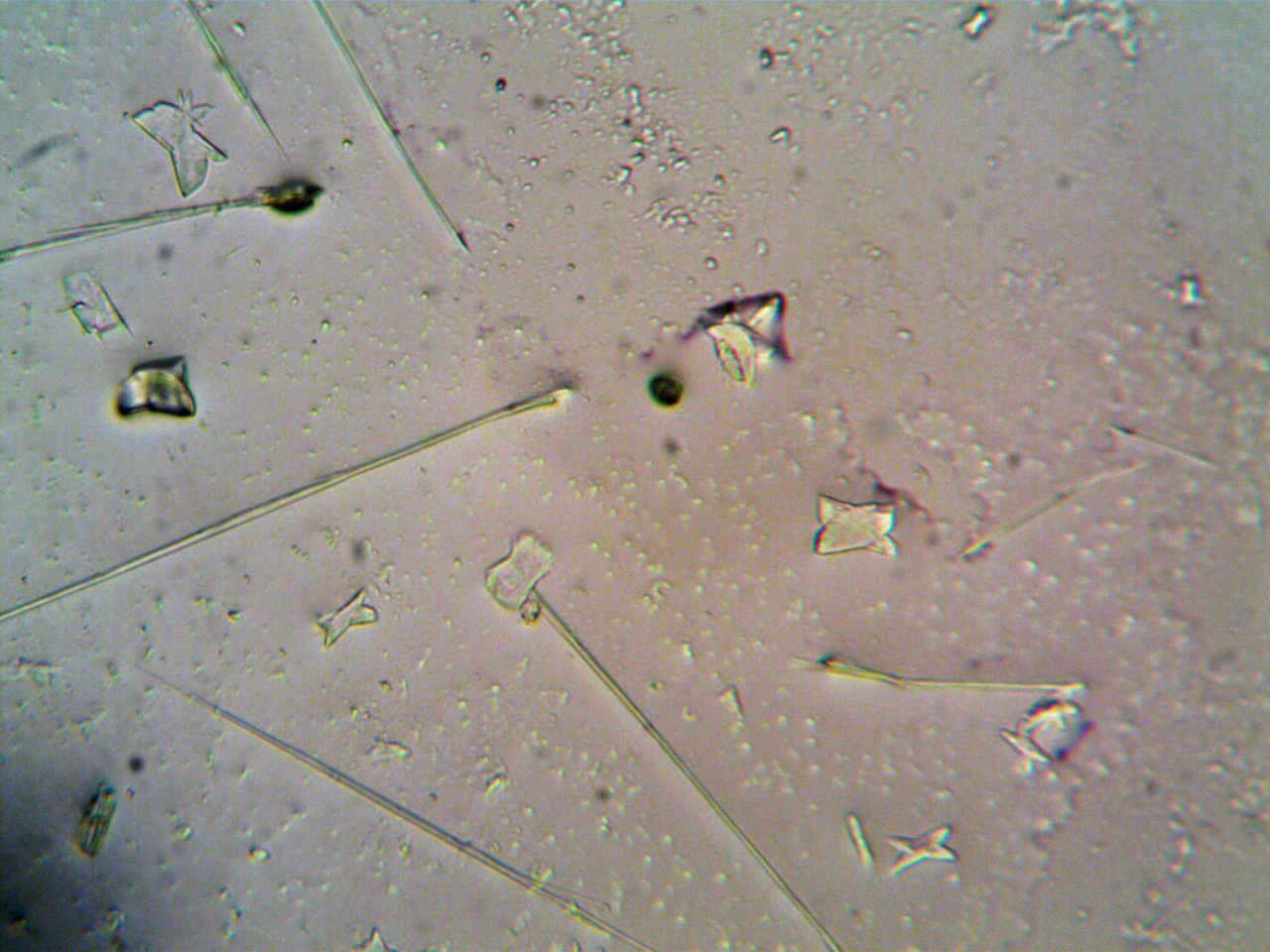
Microplastics have infiltrated nearly every aspect of modern life. These tiny plastic particles, smaller than 5 millimeters, have been found in our food, water, air, and even human blood. Recent research has raised concerns about their potential to cross the blood-brain barrier and accumulate in brain tissue, prompting many to ask: what can we do to protect ourselves?
While we cannot eliminate microplastic exposure entirely, research shows that specific lifestyle changes can significantly reduce your daily intake. This guide presents seven evidence-based strategies that address the primary sources of microplastic exposure in everyday life.
Understanding the Brain-Microplastic Connection
Microplastics enter our bodies through three main pathways: ingestion, inhalation, and dermal absorption. Once inside, particles smaller than 0.001 millimeters (nanoplastics) can potentially cross protective barriers, including the blood-brain barrier.
A 2024 study published by researchers found microplastics in brain tissue samples, though the long-term health implications remain under investigation. The precautionary principle suggests that reducing exposure now makes sense while scientists continue to study the effects.
1. Replace Plastic Food Storage and Containers
Plastic food containers release microplastics when heated, scratched, or exposed to acidic foods. Each time you microwave food in plastic or pour hot coffee into a disposable cup, thousands of plastic particles can leach into your meal.
Switch to glass, stainless steel, or ceramic containers for food storage. Use glass meal prep containers instead of plastic ones. Replace plastic water bottles with stainless steel or glass alternatives. When buying canned goods, look for brands that use BPA-free linings or switch to products sold in glass jars.
This single change can reduce your microplastic ingestion by an estimated 50,000 particles per year, based on data from environmental health studies.
2. Filter Your Drinking Water
Tap water and bottled water both contain microplastics, though ironically, bottled water typically contains significantly more. Research indicates that a single liter of bottled water can contain up to 240,000 plastic fragments.
Install a reverse osmosis or activated carbon water filter at home. These systems remove 90-99% of microplastics from tap water. Carry a reusable filtered water bottle instead of buying single-use plastic bottles. If you must buy bottled water, choose glass bottles when available.
The Environmental Protection Agency provides guidance on water filtration systems and their effectiveness against various contaminants.
3. Choose Natural Fiber Clothing and Wash Wisely
Synthetic fabrics like polyester, nylon, and acrylic shed microfibers with every wash. A single load of laundry can release over 700,000 microplastic fibers into wastewater, many of which end up in the environment and eventually in our food chain.
Build a wardrobe focused on natural fibers: cotton, wool, linen, hemp, and silk. When you do wash synthetic items, use a Guppyfriend washing bag or install a microfiber filter on your washing machine. Wash synthetic clothes less frequently and use cold water, which reduces fiber shedding by up to 30%.
Choose front-loading washing machines over top-loading models, as they generate less friction and release fewer microfibers.
4. Improve Indoor Air Quality
Indoor air contains significantly more microplastics than outdoor air due to synthetic furniture, carpets, and textiles. We inhale these particles throughout the day, particularly in enclosed spaces with poor ventilation.
Use a HEPA air purifier in bedrooms and main living areas. These filters capture 99.97% of particles 0.3 microns and larger. Open windows regularly to increase air circulation and dilute indoor microplastic concentrations. Vacuum with a HEPA-filter vacuum at least twice per week, as regular vacuuming without proper filtration can actually increase airborne microplastics.
Remove shoes at the door to avoid tracking in outdoor microplastics, and replace synthetic carpets with natural fiber rugs or hardwood flooring when possible.
5. Rethink Your Personal Care Products
Many cosmetics, toothpastes, and personal care products contain intentionally added microplastics (microbeads) or come in packaging that degrades with use. These products expose you to microplastics both through skin contact and ingestion.
Read ingredient labels and avoid products containing polyethylene, polypropylene, polymethyl methacrylate, or nylon. Choose products in glass or aluminum packaging. Switch to bamboo toothbrushes and natural fiber loofahs. Select cosmetics from companies that specifically market microplastic-free formulations.
Organizations like Environmental Working Group maintain databases of personal care products and their ingredients, making it easier to identify safer alternatives.

6. Modify Your Food Choices and Shopping Habits
Microplastics accumulate up the food chain, with higher concentrations found in seafood, particularly shellfish that filter large volumes of water. Processed foods packaged in plastic also carry higher microplastic loads.
Buy fresh produce from farmers markets where you can use your own bags. Choose loose produce instead of pre-packaged items. When buying seafood, select smaller fish lower on the food chain. Prepare meals at home using whole ingredients rather than relying on plastic-wrapped convenience foods.
Bring reusable produce bags, shopping bags, and containers when shopping. Many stores now allow customers to use their own containers at deli counters and bulk sections.
7. Support Your Body’s Natural Detoxification
While avoiding microplastics is important, supporting your body’s natural detoxification processes helps eliminate particles that do enter your system.
Stay well-hydrated to support kidney function and elimination. Eat a fiber-rich diet with plenty of vegetables, fruits, and whole grains to promote digestive system health. Regular exercise increases circulation and supports lymphatic drainage. Some research suggests that sweating through exercise or sauna use may help eliminate certain toxins, though specific studies on microplastic elimination are limited.
Maintain a healthy gut microbiome through probiotic-rich foods, as emerging research suggests gut bacteria may play a role in breaking down certain plastics.
Creating a Realistic Action Plan
Implementing all seven strategies at once can feel overwhelming. Start with one or two changes that fit most easily into your life. Replacing plastic water bottles and food containers typically offers the biggest reduction in exposure with the least effort.
Track your progress over a month. As new habits become routine, add another strategy. Small, consistent changes compound over time to significantly reduce your total microplastic exposure.
Remember that perfection is impossible in our plastic-saturated world. The goal is meaningful reduction, not complete elimination. Every swap you make contributes to better health outcomes and sends market signals that encourage companies to develop safer alternatives.
The Bigger Picture
Individual action matters, but systemic change is equally important. Support legislation that limits single-use plastics and requires better filtration in water treatment facilities. Choose companies that prioritize sustainable packaging. The more consumers demand plastic-free alternatives, the more readily available they become.
The science of microplastics and brain health continues to evolve. While researchers work to understand the full scope of health impacts, taking preventive action now protects your health and contributes to a cleaner environment for future generations.
By implementing these seven evidence-based strategies, you take meaningful control over your microplastic exposure. Start today with one simple swap, and build from there. Your brain will thank you.
