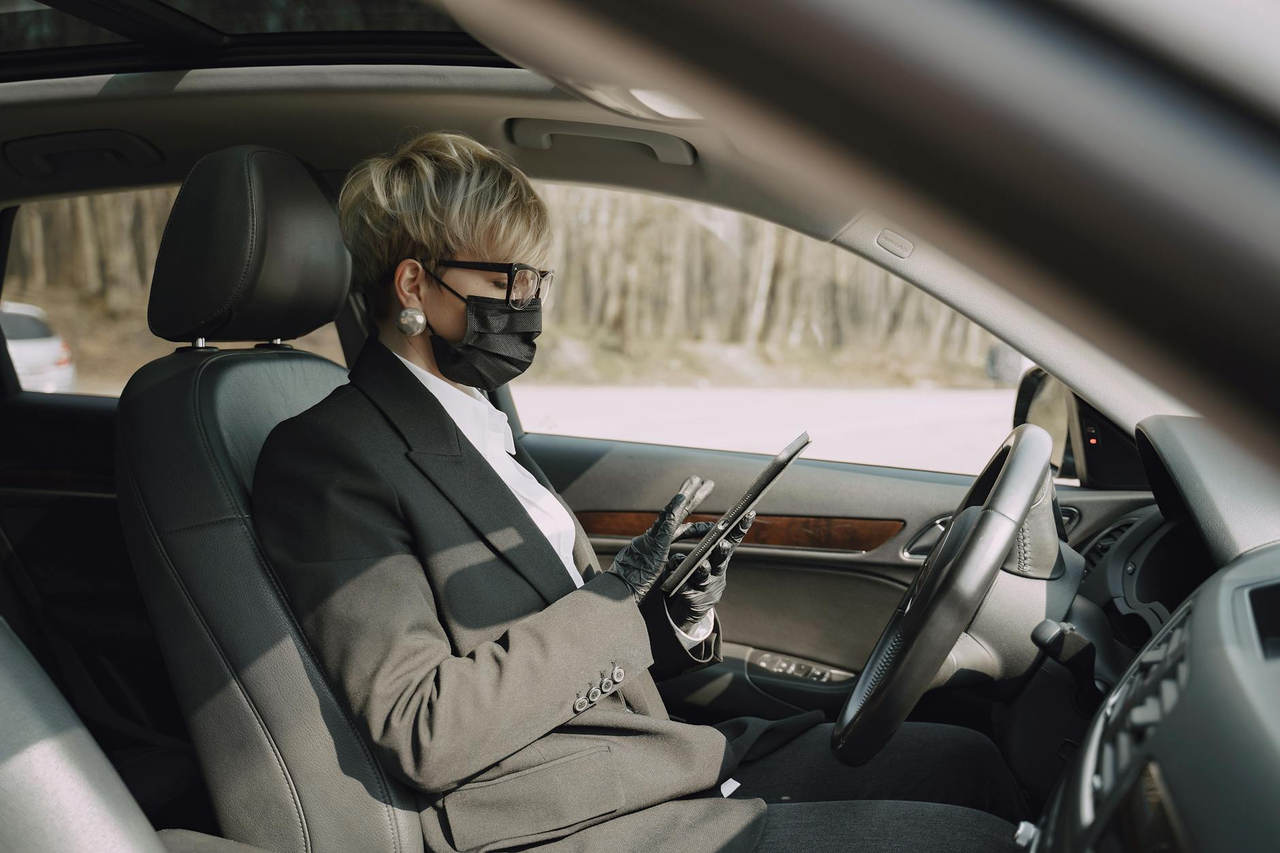
Your car knows more about you than you might think. Today’s modern vehicles are sophisticated computers on wheels, constantly collecting, storing, and transmitting data about where you go, how you drive, and even what you say inside the cabin. While these connected features offer convenience and safety improvements, they’ve transformed automobiles into powerful surveillance devices that many privacy experts consider one of the most invasive consumer products on the market. Understanding what data your car collects and how to protect your privacy has become as essential as knowing how to change a tire.
How Modern Cars Collect Your Personal Data
Modern vehicles employ an extensive network of sensors, cameras, microphones, and connectivity systems to gather information continuously. Nearly every interaction you have with your car generates data that flows through its onboard computers and, increasingly, to external servers via cellular or Wi-Fi connections.
The primary collection methods include embedded telematics systems that track GPS location and driving patterns, infotainment systems that sync with smartphones and store contact lists and call histories, and voice recognition systems that record cabin conversations. Many vehicles now feature multiple cameras for parking assistance and driver monitoring, while biometric sensors can track heart rate, eye movement, and even emotional states through facial recognition technology.
When you connect your smartphone to your car’s system—whether through Apple CarPlay, Android Auto, or the manufacturer’s native platform—you create another data pipeline. The vehicle can access your text messages, browsing history, app usage, and calendar appointments. Even something as simple as adjusting the climate control or changing radio stations generates data points that manufacturers collect to build comprehensive profiles of driver behavior and preferences.
What Data Do Car Manufacturers Track and Store
The scope of automotive data collection is staggering. Car manufacturers routinely track precise geolocation data, including everywhere you drive, how long you stay at locations, and the routes you take. This creates detailed maps of your daily routines, work locations, visited addresses, and travel patterns that persist in company databases for years.
Driving behavior metrics represent another significant category. Cars monitor acceleration patterns, braking habits, cornering speeds, seatbelt usage, and instances of harsh driving. Some systems even detect and record if you’re exceeding speed limits or driving erratically. This information is often shared with insurance companies for usage-based insurance programs, potentially affecting your premiums.
Personal identifiers collected include your name, address, phone number, email, driver’s license information, and financial data from in-car purchases or subscription services. Voice recordings from hands-free calling or voice assistant interactions may be stored and analyzed. Your biometric data—including fingerprints used for ignition systems or facial scans from driver monitoring—creates permanent records of your physical characteristics.
Perhaps most concerning is that manufacturers typically claim ownership of this data and assert broad rights to sell, share, or monetize it. According to a comprehensive analysis of automotive privacy practices, most major car companies disclose that they share personal information with numerous third parties, including data brokers, advertisers, and law enforcement agencies.
Third-Party Data Sharing Practices
Car manufacturers rarely keep your data to themselves. They routinely share information with insurance companies, advertising networks, dealership networks, roadside assistance providers, and countless other business partners. Many also sell aggregated or supposedly anonymized data to hedge funds, urban planners, and marketing firms. Law enforcement agencies can request access to your vehicle data, often without a warrant, depending on jurisdiction and circumstances.
Privacy Risks and Security Vulnerabilities in Connected Vehicles
The connectivity that enables modern car features also creates serious security vulnerabilities. Hackers have repeatedly demonstrated the ability to remotely access vehicle systems, potentially controlling critical functions like steering, braking, and acceleration. These cybersecurity weaknesses pose not just privacy concerns but genuine safety risks.
Data breaches affecting automotive companies have exposed millions of customers’ personal information, including real-time location data, home addresses, and driver’s license numbers. Once compromised, this data often surfaces on dark web marketplaces where it’s sold to identity thieves and stalkers. The permanent nature of vehicle identification numbers means that data associated with your car can follow it—and you—indefinitely.
Surveillance risks extend beyond corporate data collection. Domestic abusers have exploited vehicle tracking features to stalk victims. Employers monitor company vehicle usage in ways that may violate employee privacy. Government agencies increasingly request bulk vehicle data for mass surveillance purposes, raising constitutional concerns about warrantless tracking.
Many vehicles lack basic security protections like encrypted data transmission or secure authentication systems. Software vulnerabilities may never be patched on older models, leaving them permanently exposed. The used car market complicates matters further, as previous owners’ data often remains stored in vehicles, and new buyers inherit unknown privacy settings and connected services.
Legal Protections and Consumer Rights for Automotive Data
Privacy protections for vehicle data remain surprisingly weak in most jurisdictions. The United States lacks comprehensive federal automotive privacy legislation, leaving consumers with fragmented state-level protections. California’s Consumer Privacy Act (CCPA) and similar laws in Virginia, Colorado, and Connecticut provide some rights to access, delete, and opt out of data sales, but these protections don’t apply to everyone.
The Driver Privacy Act of 2015 requires manufacturers to obtain owner consent before accessing event data recorders (black boxes), but this protection is limited in scope and doesn’t cover the vast majority of data collection. The Federal Trade Commission has authority to pursue deceptive privacy practices but has taken limited enforcement action against automakers.
European Union residents benefit from stronger protections under the General Data Protection Regulation (GDPR), which grants rights to data access, portability, deletion, and restricts automated decision-making based on personal data. However, enforcement in the automotive sector has been inconsistent.
Consumer rights vary significantly by manufacturer. Some companies allow you to request your data or opt out of certain collection practices, while others provide minimal transparency or control. Reading privacy policies—though tedious—remains essential to understanding what rights you have regarding your specific vehicle’s data.
How to Protect Your Privacy in Modern Vehicles
While complete privacy in a modern car is nearly impossible, you can significantly reduce data collection and exposure through strategic measures. Start by carefully reviewing your vehicle’s privacy settings, typically found in the infotainment system menus. Disable telematics and connected services you don’t use, turn off location tracking when unnecessary, and opt out of data sharing programs wherever possible.
Limit smartphone integration to essential functions only. Instead of granting full access through Apple CarPlay or Android Auto, consider using Bluetooth audio only, which shares less data. Never save personal information like home addresses in the vehicle’s navigation system—manually enter destinations each time instead. Regularly delete stored data from the infotainment system, including call logs, navigation history, and voice recordings.
When purchasing or leasing a vehicle, negotiate to disable connected services or decline connectivity packages entirely. Some manufacturers allow you to opt out during purchase, though dealers may resist. Read all privacy policies and terms of service before agreeing, and document any privacy-related promises in writing.
For maximum protection, consider disconnecting the vehicle’s cellular antenna, though this will disable emergency services like automatic crash notification. Use a VPN when connecting to in-car Wi-Fi hotspots. Cover or disable interior cameras when not needed. When selling or trading a vehicle, perform a complete factory reset and contact the manufacturer to dissociate your account and request data deletion.
Stay informed about your vehicle’s capabilities and updates. Manufacturers sometimes expand data collection through over-the-air software updates, changing privacy practices without explicit notification. Join owner forums where members share privacy concerns and solutions specific to your make and model.
Take control of your automotive privacy today. Review your vehicle’s settings tonight, contact your manufacturer to understand what data they’re collecting, and exercise your rights to opt out of unnecessary data sharing. Your mobility shouldn’t come at the cost of your privacy—demand transparency and protection from automakers, and support legislation that establishes meaningful privacy standards for connected vehicles.
